In My Lucky Grandpa Era SVG: A Designer’s Review
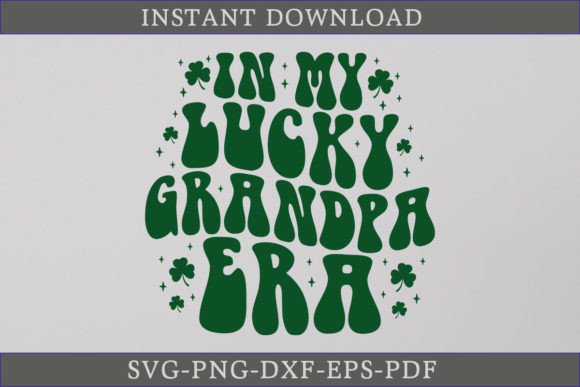
As a designer who spends more time staring at stitch simulations than I do sleeping, I have learned that not every graphic translates well to thread. We see thousands of digital files flood the market, especially around holidays, but few stand up to the rigorous demands of actual embroidery. When I first pulled up the In My Lucky Grandpa Era Retro Shirt SVG, my initial reaction was one of cautious optimism. The trend of "era" shirts has saturated social media, but this specific take on St. Patrick’s Day offers a nostalgic, retro vibe that feels less like a fleeting meme and more like a timeless piece of family humor.
This is not just a basic clipart dump; it is a curated set of design assets intended for creators who value versatility. You receive a single zip archive containing SVG, DXF, EPS, PNG, and PDF formats. For those of us working across different software platforms—from Illustrator to CorelDRAW to various embroidery digitizing programs—this multi-format approach is essential. However, having the file is only half the battle. The real question is: how does it perform when put under the needle?
First Impressions and Visual Personality
The aesthetic here is distinctly retro. The typography and layout evoke a sense of vintage comfort, which pairs perfectly with the sentimental subject matter. When evaluating a machine embroidery design or a graphic intended for conversion, I look for clean lines and balanced negative space. This design delivers on both fronts. The shapes are bold enough to remain legible even when scaled down, yet they possess enough character to avoid looking generic.
The mood is playful but respectful. It captures that specific grandparent energy—proud, slightly cheesy, and overwhelmingly loving. For a craft business owner, this emotional resonance is what drives sales. Customers are not just buying a shirt; they are buying a way to express their family role. The visual personality of the In My Lucky Grandpa Era Retro Shirt SVG suggests it belongs on soft, comfortable fabrics rather than stiff, formal wear. It screams casual weekend wear, family reunions, and holiday gatherings.
Real-World Application: The Sweatshirt Test
To truly evaluate a design, you must imagine it in a real-life scenario. I recently worked on a custom order for a client wanting matching family outfits for St. Patrick’s Day. The goal was a cohesive look without being overly matchy-matchy. I selected a heather grey crewneck sweatshirt as the base for the grandpa design. Why a sweatshirt? Because the fabric texture of fleece provides a stable, forgiving surface for embroidery or heat transfer vinyl (if using the SVG for cutting).
If you are digitizing this SVG for embroidery, the retro font style lends itself well to a combination of satin stitch borders and fill stitch interiors. However, caution is required. Retro fonts often have thick strokes. If you simply auto-digitize this embroidery file, you risk creating a dense, cardboard-like patch that pulls on the garment. My advice is to manually adjust the stitch density. Reduce the fill density to allow the fabric to breathe and maintain the soft drape of the sweatshirt. Use a lightweight cut-away stabilizer to support the weight of the thread without adding bulk.
For those using the SVG for heat transfer vinyl or sublimation, the PNG and PDF formats included in the zip file are invaluable. They allow for quick mockups. I always recommend testing your design in black and white first. If the design loses its impact without color, the contrast may be insufficient for certain thread colors or fabric choices. In this case, the design holds up well, thanks to its strong structural outlines.
Versatility Across Products
One of the strongest aspects of this Graphics package is its adaptability. While the title suggests a shirt, do not limit yourself. Here is how I see this design performing across different Crafts categories:
- Tote Bag Design: The bold lines work beautifully on canvas totes. Use a heavier weight thread or even an applique design technique if you want to reduce stitch count while maintaining visual impact.
- Embroidered Patch: Create a merrow-edge patch for caps. Since caps have curved surfaces, a dense, flat embroidery can pucker. A patch allows you to control the stiffness and apply it cleanly to the front panel.
- Baby Embroidery: Scale it down for a onesie. Ensure you use a soft backing and fine threads to prevent irritation against sensitive skin. The sentiment is perfect for a new grandpa reveal.
- Kitchen Towels: A fun addition to holiday decor. Use a running stitch for finer details if the fabric is thin, to avoid perforation.
For Etsy sellers and small shop product creators, this versatility means you can create multiple listings from a single purchase. You can offer it as a personalized gift option, perhaps adding the grandkids' names below the main text if you have the digitizing skills to modify the file. This increases the perceived value and allows for higher pricing tiers.
Technical Considerations and Pitfalls
While the design is strong, there are areas where careful execution is non-negotiable. If you are working with dark fabric, you must consider underlay stitches and thread choice. Light-colored threads on dark garments require precise tension settings to prevent the background fabric from showing through the stitches. Always run a test on scrap fabric of the same type and color before committing to the final finished product.
Another critical factor is hoop size. Ensure your design fits comfortably within your hoop with adequate margin for stabilization. If you are stitching on stretchy fabric, such as a performance tee, you must use a stabilizer that counteracts the stretch. Otherwise, the design will distort after washing. Speaking of washing, remind your customers to wash inside out in cold water. This preserves the integrity of the embroidery and prevents premature fading or fraying.
Be mindful of tiny details. If the SVG includes small decorative elements, they may not translate well to embroidery at smaller sizes. You may need to simplify or remove these elements during the digitizing process. Always inspect the design at 100% zoom in your software to identify potential trouble spots before you start stitching.
Commercial Use and Professionalism
For commercial embroidery projects, professionalism is paramount. The quality of your final stitch-out reflects directly on your brand. Using a high-quality source file like the In My Lucky Grandpa Era Retro Shirt SVG gives you a head start, but it does not replace skill. Take the time to refine your digitizing. Check your color palettes. St. Patrick’s Day invites greens and golds, but consider modern twists like muted sage or metallic threads for a boutique feel.
Before selling any handmade product featuring this design, confirm the licensing terms. The product description states you get a zip file with various formats, but it does not explicitly detail commercial rights for reselling the digital file versus the physical item. Always clarify this with the creator. Generally, SVGs are licensed for creating physical goods, but reselling the digital file itself is usually prohibited. Protect your business by ensuring you are compliant.
In conclusion, the In My Lucky Grandpa Era Retro Shirt SVG is a solid addition to any designer’s library. It offers a blend of trendiness and timeless sentiment that appeals to a broad audience. With careful attention to stitch density, fabric selection, and stabilization, it can elevate your custom apparel and holiday embroidery offerings. It is not just a file; it is a tool for creating memorable, high-quality keepsakes. Treat it with the respect it deserves, and it will serve your craft business well.