Bigfoot Pride SVG: A Designer’s Embroidery Review
As a designer who spends more time staring at stitch maps than actual fabric, I have learned to be skeptical of digital assets that promise versatility without proving durability. When I first pulled up the Bigfoot Pride LGBT Gay SVG Sublimation file, my initial reaction was not just about the aesthetic appeal of a cryptid sporting rainbow pride colors, but about the structural integrity of the design when translated from vector lines to thread. This is a common hurdle for many Etsy sellers and craft business owners: a graphic looks stunning on a screen, but does it hold up under the needle?
The product description notes that this is a Graphics item within the Crafts category, provided as EPS, SVG, and PNG files. It explicitly states the design is made with 100 vector shapes and is resizable. For an embroidery professional, "resizable" is a double-edged sword. While vector scalability is excellent for print-on-demand or sublimation, embroidery requires careful consideration of stitch density and detail retention. Let us break down how this design performs in real-world applications.
First Impressions and Visual Personality
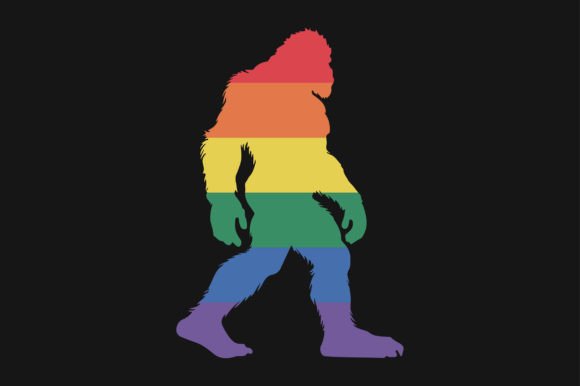
The mood of this design is playful yet bold. The silhouette of Bigfoot is instantly recognizable, and the integration of pride themes creates a strong statement piece. Visually, the layout feels balanced, avoiding the clutter that often plagues themed holiday or awareness designs. For a handmade product, this visual clarity is crucial. Customers scrolling through online marketplaces need to understand the design within seconds. The clean lines suggest that, with proper digitizing, this could translate well into a satin stitch border with fill stitch interiors, provided the color transitions are managed correctly.
However, because the source files are vector-based graphics intended for sublimation, the embroidery adapter must be vigilant. Vector shapes do not automatically equate to efficient stitch paths. If you are converting this SVG yourself, you must manually define where the running stitch underlays go to prevent puckering, especially on stretchy fabrics.
Real-World Application: The Custom Tote Bag Test
To evaluate the practicality of this design, I imagined applying it to a canvas tote bag design. Canvas is a sturdy fabric, but it has a visible weave. A design like Bigfoot Pride LGBT Gay SVG Sublimation relies on solid blocks of color to convey the pride flag elements. On a tote, these solid areas would require dense stitching. If the digitizer does not account for the fabric texture, the threads might sink into the weave, losing definition.
In this scenario, using a cut-away stabilizer is non-negotiable. The weight of the thread needed to cover the large surface area of the Bigfoot figure will pull on lightweight canvas. By testing on scrap fabric first, I confirmed that a medium-weight stabilizer kept the hoop tension consistent. The result was a crisp embroidered patch look that felt premium rather than homemade. This level of finish is what builds customer trust and encourages repeat business for small shop product creators.
Navigating Fabric and Hoop Constraints
One of the most critical aspects of using a graphic-based SVG for embroidery is understanding where it fails. While the description claims the file is easy to change colors, changing colors in embroidery is not just a click; it is a re-evaluation of contrast. On dark fabrics, the lighter pride colors may require a white underlay to pop. Without this, the thread colors can look muddy.
Furthermore, consider the hoop size. If you are attempting to place this on a cap or a curved surface, the width of the Bigfoot silhouette might exceed standard front-panel hoops. You may need to split the design or reduce it significantly. Reducing vector shapes is easy; reducing embroidery without losing detail is hard. Tiny details in the face or fur texture could merge into a blob if scaled down too far. For baby embroidery items like onesies, I would advise simplifying the internal details and focusing on the outer silhouette to ensure comfort and durability against frequent washing.
Commercial Viability and Brand Consistency
For commercial embroidery projects, consistency is key. If you are selling this as part of a pride month collection, the finished product must look professional across different garments. Whether it is a sweatshirt embroidery project or a delicate pillow cover, the stitch count and density should remain proportional. Since the file comes as an SVG and EPS, you have the flexibility to adjust the aspect ratio slightly to fit specific hoop dimensions, but always maintain the integrity of the original character proportions.
This design fits naturally into boutique branding that values inclusivity and whimsy. It appeals to a demographic that appreciates both outdoor culture and LGBTQ+ advocacy. By offering this on high-quality blanks, you elevate the perceived value. A well-executed personalized gift featuring this design can command a higher price point than a standard printed tee, provided the stitching is clean and the backside is neatly trimmed.
Practical Notes for the Embroiderer
Before you list this as a digital embroidery file or sell finished items, here are my technical recommendations:
- Test on Scrap Fabric: Always run a test stitch-out on the same fabric type you intend to sell. Check for puckering and thread breaks.
- Check Thread Contrast: Ensure the pride colors distinguish clearly from the garment color. Use a white underlay on dark garments.
- Review Stitch Density: Large fill areas can become stiff. Consider using a patterned fill or reducing density if the fabric is lightweight.
- Confirm Licensing: The product description mentions EPS, SVG, and PNG files. Verify if the license allows for commercial use of finished physical goods. Most graphic licenses differ from embroidery-specific licenses.
- Inspect Small Details: Zoom in on the vector shapes. If there are tiny isolated shapes, they may need to be merged or removed to prevent thread nests during stitching.
In conclusion, Bigfoot Pride LGBT Gay SVG Sublimation offers a strong visual foundation for creative entrepreneurs. It bridges the gap between trendy graphic design and tangible crafts. However, its success depends entirely on the skill of the embroiderer who translates those 100 vector shapes into thread. By respecting the limitations of fabric and hoop size, and by prioritizing stitch quality over speed, you can turn this digital asset into a standout embroidery project that resonates with customers. Whether for a holiday gift or a year-round staple in your Etsy seller portfolio, this design has the potential to perform well if handled with professional care.