Reviewing My 1st Easter SVG Cut File for Embroidery
As a designer who spends half my life digitizing and the other half stitching, I approach every new machine embroidery design with a healthy dose of skepticism. We have all been there: you download a cute graphic, load it into your software, and realize the lines are too close together, the details are too fine for a hoop, or the shape simply does not translate well from screen to thread. That is why I took a close look at My 1st Easter SVG Cut File before committing it to any client project. While this product is marketed primarily as a cut file for Cricut and Silhouette users, its potential in the embroidery world is worth exploring for those of us who work with custom apparel and handmade products.
First Impressions and Visual Personality
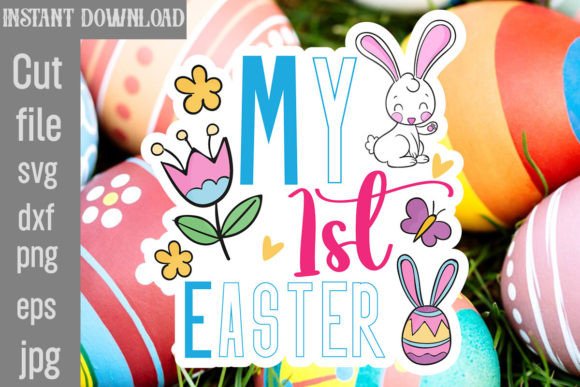
The first thing that strikes me about My 1st Easter SVG Cut File is its clean, uncomplicated silhouette. In the world of Crafts and Graphics, simplicity is often king, especially when dealing with seasonal themes like Easter. The design avoids unnecessary clutter, which is a massive advantage when you are thinking about stitch paths. A busy design can quickly turn into a puckered mess on lightweight fabrics, but a strong, clear outline like this one tends to hold its shape beautifully.
The mood here is soft, celebratory, and distinctly juvenile without being overly cartoonish. This makes it versatile. It does not scream "cheap novelty item." Instead, it feels like something that could belong on a high-end boutique baby onesie or a curated spring collection for a small shop. For an Etsy seller or a craft business owner, visual appeal is everything. You need a design that looks professional in a printable mockup and even better in real life. This file’s layout suggests it was created with balance in mind, which is a good sign for embroidery adaptation.
Real-World Application: The Baby Gift Scenario
Let’s talk about a real-life scenario. Imagine you are preparing a custom order for a client who wants a personalized gift for a newborn’s first Easter. You decide to use My 1st Easter SVG Cut File as the central motif on a soft, white cotton onesie. Because the design is likely vector-based (given the inclusion of SVG and EPS files), you can scale it precisely to fit a 4x4 or 5x7 hoop size without losing quality.
In this context, the design shines. The open spaces within the shape allow you to get creative with thread colors. You might choose a pastel satin stitch for the outline and a light fill stitch for the interior, or perhaps leave it as an open running stitch for a more delicate, vintage look. The transparency of the PNG file included in the download is also helpful here. You can overlay the image onto photos of different fabric textures in Photoshop to preview how the contrast will look before you even thread your needle. This step saves time and prevents costly mistakes on expensive garments.
Adapting Cut Files for Stitching
It is important to remember that My 1st Easter SVG Cut File is technically a cut file package. It includes SVG, DXF, EPS, and PNG formats. It does not include a native embroidery file like PES or DST. This means you will need to import the SVG or EPS into your embroidery digitizing software to create the stitch path. For experienced designers, this is actually a benefit. You have full control over the stitch density, the underlay, and the sequence. You can decide whether a satin stitch border is appropriate or if a simple backstitch outline suits the fabric better.
If you are not a digitizer, do not worry. The clean lines of this design make it relatively easy to auto-digitize with good results, provided you tweak the settings. Just be mindful of small details. If the design has tiny elements, you may need to merge them or enlarge the overall image to ensure they stitch out cleanly. Always test on scrap fabric first. This is non-negotiable. Check how the design behaves on the specific material you plan to use, whether it is a thick terry cloth towel or a thin rayon shirt.
Fabric Considerations and Technical Challenges
Not every fabric plays nice with every design. When using My 1st Easter SVG Cut File for sweatshirt embroidery or tote bag design, you have more leeway. These heavier materials can support higher stitch densities and bolder outlines. However, if you are working on a curved surface like a cap, you need to be careful. The design should be centered perfectly, and you must use a sturdy stabilizer to prevent shifting. Caps are tricky; if the design is too wide, it will distort around the curve.
For baby embroidery on delicate knits, less is more. You might want to reduce the density of any fill areas to keep the garment soft against sensitive skin. Also, consider the washability. Parents wash baby clothes frequently. A design with tight, dense stitching might pucker after several cycles. Using a quality cut-away stabilizer and ensuring your tension is balanced will help the finished product maintain its integrity. If you are creating an embroidered patch instead, you can go heavier on the stitches, as the patch itself provides structure.
Commercial Value and Brand Consistency
For small business merchandise and commercial embroidery projects, consistency is key. If you are building a brand around holiday items, My 1st Easter SVG Cut File fits well into a cohesive collection. Its style is neutral enough to pair with various fonts and additional decorative elements. You can add a name below the graphic using a complementary script font, creating a personalized touch that increases perceived value.
Customer trust is built on quality. A sloppy stitch-out reflects poorly on your brand, but a crisp, well-executed design builds loyalty. Because this file is a digital download, you have the flexibility to experiment. Try it on dark fabrics with bright threads, or on light fabrics with subtle tonal threads. Use the 300 DPI PNG for your online listings to show customers exactly what the design looks like. High-quality images drive engagement and sales.
Practical Designer Notes
- Check Licensing: Before selling items made with this design, confirm the license terms. Most digital assets allow for commercial use of physical products, but always verify.
- Test Stitch Density: Since you are converting from a vector, adjust your density settings. Too dense, and the fabric puckers; too sparse, and the backing shows through.
- Contrast Matters: Ensure your thread color contrasts sufficiently with the fabric. A white design on a cream shirt will vanish. Use the PNG to test combinations.
- Hoop Size: Confirm the maximum size you need. Scale the SVG in your software to fit your hoop while maintaining proportion.
- Stabilizer Choice: Match the stabilizer to the fabric. Cut-away for knits, tear-away for wovens, and no-show mesh for delicate items.
Final Verdict on Usability
In conclusion, My 1st Easter SVG Cut File is a solid asset for designers who understand how to bridge the gap between cut files and embroidery. It offers a clean, versatile shape that works well for holiday embroidery, personalized gifts, and small shop products. While it requires an extra step of digitizing or auto-converting, the control you gain over the final stitch outcome is worth the effort. Whether you are decorating aprons, pillow covers, or custom apparel, this design provides a professional foundation. Just remember to respect the fabric, test your tensions, and keep your presentation polished. When done right, this simple graphic can become a standout piece in your spring collection.