Reviewing the Best Mom Ever Cake Topper SVG for Embroidery
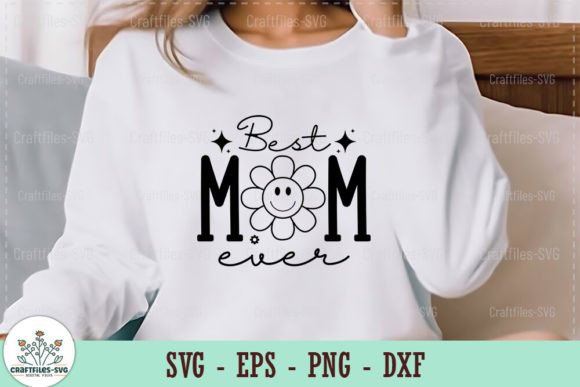
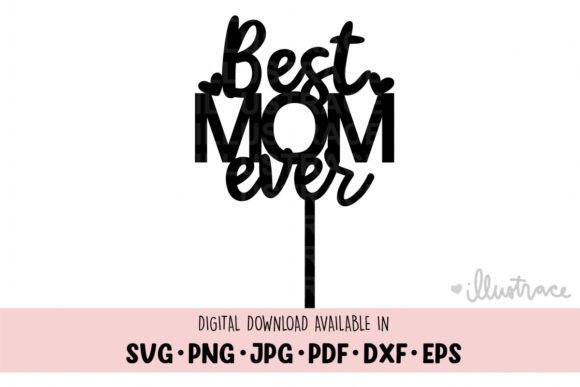
As a designer who spends half my life digitizing and the other half stitching, I have learned to look at vector files with a critical eye. We often see titles like Best Mom Ever Cake Topper Svg, Mom Svg and assume the file is strictly for paper crafts or vinyl cutting. However, the line between digital graphics and machine embroidery is blurring. Today, I am evaluating this specific design asset not as a cake decoration, but as a potential centerpiece for a high-value embroidered product. The goal is to determine if this graphic holds up under the needle, or if it remains best suited for scrapbooking and vinyl applications.
First Impressions: Mood and Visual Personality
When I first opened the file, the immediate impression was one of warmth and celebration. The typography typically associated with "Best Mom" themes leans toward soft, rounded scripts or bold, friendly sans-serifs. This design carries that same emotional weight. It feels approachable, making it an ideal candidate for personalized gifts. For an embroidery project, the mood is crucial. You want a design that speaks to the recipient before they even touch the fabric. This graphic exudes a sense of appreciation and love, which translates well into home decor and wearable art.
The layout appears clean, which is a significant advantage. In the world of Crafts and Graphics, clutter is the enemy of clarity. A clean silhouette ensures that when converted or adapted for stitching, the negative space remains distinct. This visual personality suggests it would work beautifully on items meant to be displayed proudly, such as tote bags or kitchen towels, where the message needs to be read quickly and clearly.
Real-World Application: From Screen to Stitch
To test the viability of this design, I imagined a real-life scenario: a custom order for a boutique client launching a Mother’s Day collection. She needed a versatile design that could work on multiple products without requiring extensive re-digitizing. I considered applying this concept to a heavy cotton tote bag. The sturdy fabric provides a stable base, allowing the design to sit flat without puckering.
If you are using this as a reference for creating a machine embroidery design, the simplicity of the shapes is a boon. Complex gradients in SVGs do not translate to thread; instead, we rely on color blocking and stitch types. For a "Mom" themed design, I would recommend using a combination of satin stitch for the borders or smaller text elements and a fill stitch for larger solid areas. This combination adds texture and depth, elevating the finished product from a simple print to a tactile experience.
Another excellent application is sweatshirt embroidery. The thick fabric of a crewneck sweatshirt can handle denser stitching. Here, the design could serve as a chest logo or a larger back piece. The key is ensuring the scale is appropriate. A design intended for a cake topper might be small in its original vector form, so scaling it up for apparel is essential to maintain legibility.
Navigating Technical Challenges
While the aesthetic appeal is strong, there are technical hurdles to consider when adapting web-ready design assets for embroidery. One major concern is stitch density. If you auto-digitize an SVG without manual adjustment, you risk creating a dense block of thread that pulls on the fabric. This is particularly problematic on stretchy materials like jersey knits used in t-shirts or baby clothes.
For baby embroidery, comfort is paramount. A dense fill stitch can feel stiff and scratchy against sensitive skin. In this case, I would advise using a lighter fill pattern or incorporating running stitch details to break up the mass. Additionally, always use a proper stabilizer. For knit fabrics, a cut-away stabilizer is non-negotiable to prevent distortion after washing.
Small details are another area of caution. If the SVG includes intricate flourishes or tiny dots, these may not stitch out cleanly. Threads have thickness, and machines have limitations. What looks crisp on a screen can become a tangled mess if the details are too fine. I recommend simplifying any overly complex nodes in the vector file before beginning the digitization process. Test the design on scrap fabric first to check for thread breaks or nesting issues.
Fabric and Color Considerations
The choice of fabric texture dramatically affects the outcome. On smooth cotton or linen, the design will appear sharp and defined. However, on textured fabrics like terry cloth towels or fuzzy fleece, fine details can get lost. For these materials, bold, simple lines work best. If you are creating a tote bag design using canvas, the weave is tight enough to support detailed work, but you must ensure your needle size matches the thread weight to avoid skipped stitches.
Color contrast is equally vital. A personalized gift loses its impact if the thread blends into the fabric. Always test your thread colors against both light and dark backgrounds. A mockup in black and white can help you evaluate the contrast and readability of the design without the distraction of hue. For a "Best Mom" theme, classic combinations like navy on white or gold on charcoal often convey a sense of elegance and timelessness.
Commercial Viability and Brand Consistency
For Etsy sellers and small shop owners, consistency is key to building brand trust. Using a cohesive style across your product line helps customers recognize your work. If this design fits your brand’s aesthetic—perhaps playful, modern, or rustic—it can be a valuable addition to your catalog. However, always verify the licensing terms. Just because a file is labeled as an SVG for crafts does not automatically grant commercial rights for embroidered goods. Check the license before selling commercial embroidery items.
Moreover, consider how the design looks in photos. A well-stitched item photographs better, leading to higher engagement on social media and marketplaces. Clean edges and consistent tension reflect professionalism. When customers see a high-quality embroidered patch or apparel item, they perceive higher value, which can justify premium pricing.
Final Verdict and Designer Notes
In conclusion, while the Best Mom Ever Cake Topper Svg, Mom Svg is marketed for paper and vinyl, its clean lines and emotional resonance make it a strong candidate for embroidery adaptation. It works best on stable fabrics like cotton totes, aprons, and pillow covers. For stretchy or textured fabrics, simplify the design and adjust stitch density accordingly.
- Test on scraps: Never stitch directly on the final garment without a test run.
- Check hoop size: Ensure the scaled design fits within your machine’s maximum hoop dimensions.
- Verify licensing: Confirm that the creator allows commercial use for physical embroidered goods.
- Mind the details: Remove unnecessary nodes and simplify tiny elements to prevent stitching errors.
- Contrast matters: Choose thread colors that stand out clearly against the fabric background.
By approaching this graphic with a designer’s mindset, you can transform a simple digital file into a cherished handmade product. Whether for a holiday gift or a small business inventory item, the success lies in the execution. Pay attention to the interplay between thread, fabric, and technique, and you will create pieces that resonate with customers and stand the test of time.