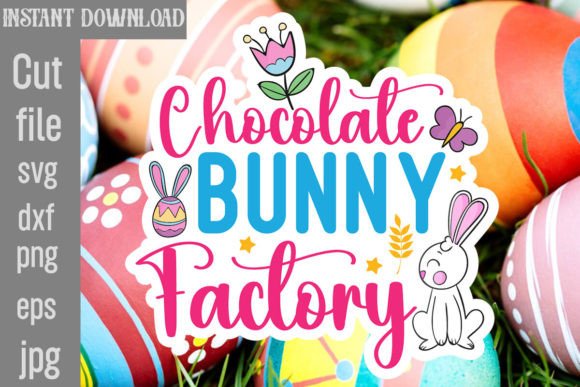
Reviewing the Chocolate Bunny Factory SVG for Embroidery
As a designer who spends half my life digitizing and the other half stitching, I have learned to look past the glossy preview images. When I first opened the Chocolate Bunny Factory SVG Cut File, my immediate reaction was not just about the cut lines, but about how those shapes would translate into thread. This is a critical distinction for anyone running a craft business or creating personalized gifts. A file that cuts cleanly on vinyl does not always stitch cleanly on fabric. However, after reviewing the vector paths and the accompanying PNG assets, I see significant potential for this design in the world of machine embroidery, provided you approach it with the right technical mindset.
First Impressions: Mood and Visual Personality
The theme here is playful yet structured. The "factory" concept implies movement and production, which gives the design a dynamic energy that static bunny illustrations often lack. For an embroidery project, this is a win. Static designs can look flat when stitched, but elements that suggest motion or interaction tend to hold viewer attention longer. The layout appears balanced, avoiding the common pitfall of having too much visual weight on one side, which is crucial when centering a design on a tote bag design or a sweatshirt embroidery piece.
The level of detail is moderate. It is intricate enough to look professional and high-value but not so dense that it becomes a nightmare to stitch on textured fabrics. This balance is rare in digital embroidery files found in the Crafts category. Many designers over-complicate graphics, forgetting that thread has thickness and texture. This design respects the medium, offering clear shapes that will read well even from a distance.
Real-World Application: The Custom Tote Bag Scenario
To truly evaluate the Chocolate Bunny Factory SVG Cut File, I imagined a specific real-life scenario: a spring collection for a small shop product line. I pictured a heavy canvas tote bag, natural beige in color, intended for Easter markets. The goal was to create a handmade product that felt boutique-quality rather than mass-produced.
In this context, the design shines. Using the SVG file as a reference for digitizing, I would likely opt for a combination of satin stitch for the outlines and fill stitch for the larger body areas of the bunny and factory elements. The clean lines of the vector allow for precise digitizing, ensuring that the stitch density remains consistent. If I were to use this on a dark fabric, I would need to pay close attention to thread colors. A chocolate brown paired with a cream or pastel accent would create a sophisticated contrast, elevating the perceived value of the finished product.
For an Etsy seller, this versatility is key. The same design could be scaled down for a baby embroidery project on a onesie or scaled up for a pillow cover. The transparency of the included PNG file also allows for quick mockups. Before stitching a single thread, I can place the PNG over photos of different apparel items to show clients exactly how their custom apparel will look. This saves time and builds customer trust, as buyers can visualize the final result before purchasing.
Technical Considerations for Stitching
While the design is strong, there are areas where caution is necessary. As an experienced reviewer, I must point out that any design with corners and intersecting lines requires careful handling during the digitizing process. If you are converting this SVG into a machine embroidery design yourself, you must ensure that the stitch direction changes smoothly. Sharp corners in a vector file can lead to thread bunching if not properly compensated with underlay stitches.
Stitch density is another critical factor. If you plan to use this on stretchy fabric, such as a t-shirt or a cap, you must use a proper stabilizer. A cut-away stabilizer is often best for garments that will be washed frequently, while a tear-away might suffice for decorative items like holiday embroidery on tea towels that see less wear. Without adequate stabilization, the fabric may pucker, distorting the cute aesthetic of the bunny and ruining the professionalism of the embroidered patch or garment.
Additionally, consider the hoop size. While the design is versatile, placing it on curved surfaces like caps requires checking the height and width against your hoop limitations. Always test the design on scrap fabric first. This simple step allows you to check thread color contrast and inspect small details before committing to your final fabric. It is far better to waste a few inches of scrap than to ruin a expensive piece of linen or a custom sweatshirt.
Commercial Viability and Brand Consistency
For commercial embroidery projects, consistency is everything. The Chocolate Bunny Factory SVG Cut File offers a distinct visual personality that can help build brand recognition. If you are a creative entrepreneur focusing on holiday-themed goods, this design fits seamlessly into a broader collection. It avoids being overly generic, which helps your small business merchandise stand out in a saturated market.
The inclusion of DXF and EPS files is particularly useful for those who use cutting machines alongside embroidery machines. You might use the SVG for a vinyl heat transfer on the back of a jacket while embroidering the front with the same motif. This multi-media approach adds depth to your product offerings. However, always confirm licensing before selling finished items. While this is a digital download, the rights to sell physical products made with the design can vary. Ensure you are compliant with the creator's terms to protect your craft business.
Final Verdict for Designers and Makers
In conclusion, the Chocolate Bunny Factory SVG Cut File is a robust asset for designers who understand the translation from screen to stitch. It is not just a graphic; it is a foundation for high-quality handmade products. Whether you are creating personalized gifts for friends or inventory for your online store, this design offers the flexibility and charm needed to engage buyers.
Remember to treat the file as a starting point. Adjust your stitch types, choose your thread colors wisely, and respect the fabric texture. By doing so, you transform a simple digital file into a tangible, valuable piece of art. For hobbyists and professionals alike, this design represents a solid investment in your creative toolkit, promising both enjoyment in the making and satisfaction in the selling.