Reviewing Trust in Jesus - Retro SVG for Embroidery
As a designer who spends more time staring at stitch simulations than I care to admit, I have learned that not every digital file translates well to thread. We live in an era where design assets are abundant, but finding a graphic that holds up under the needle requires a critical eye. Recently, I pulled the Trust in Jesus - Retro SVG into my workspace to evaluate its potential for real-world applications. This is not just about whether the lines look clean on a screen; it is about how this piece performs as a machine embroidery design when placed on actual fabric, subjected to tension, and viewed by a customer holding a finished product.
The Aesthetic First Impression
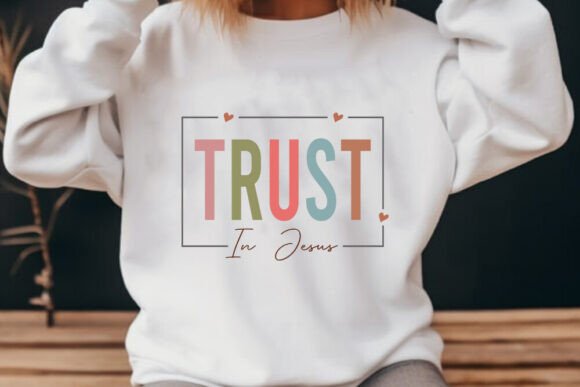
The first thing that strikes you about this design is its mood. The retro styling taps into a current trend that blends vintage typography with modern faith-based messaging. For those of us in the Crafts industry, understanding trends is half the battle. This design does not scream; it whispers with confidence. The layout suggests a balanced composition, which is crucial for embroidery. When we talk about Graphics intended for stitching, we look for shapes that allow the thread to flow naturally. Sharp, jagged corners or overly complex gradients often fail in translation, but the retro aesthetic here relies on bold forms and clear spacing. This visual personality feels right at home on casual wear and home goods, creating a sense of nostalgia and comfort.
Real-World Application: The Tote Bag Test
To truly test the viability of any embroidery file, I imagine it on a specific product. Let us consider a custom canvas tote bag. This is a staple for many Etsy sellers and small shop owners. The Trust in Jesus - Retro SVG would likely serve as a central focal point on the front panel. Because canvas has a distinct weave and texture, the design needs enough weight to stand out without getting lost in the fabric grain.
In this scenario, the retro typography offers a significant advantage. Bold lettering typically translates well into satin stitch or a dense fill stitch, providing good coverage. If I were producing this for a client, I would be looking closely at the spacing between the letters. Too tight, and the threads will bunch up, causing puckering. Too loose, and the background fabric shows through, breaking the visual continuity. The separate files provided—SVG, EPS, DXF, and PNG—allow me to manipulate the design in my digitizing software to ensure the stitch density is optimized for heavy cotton or canvas materials.
Apparel and Custom Sweatshirts
Moving from bags to apparel, let us discuss sweatshirt embroidery. This is a high-demand category for personalized gifts and boutique branding. A fleece or cotton-blend sweatshirt presents different challenges than canvas. The fabric is thicker, and the surface is softer. Here, the Trust in Jesus - Retro SVG can shine if handled correctly. The retro style often implies a slightly distressed or worn-in look, which pairs beautifully with the cozy nature of a sweatshirt.
However, caution is required regarding the hoop size. If the design is large, it may require a bigger hoop, which can be tricky on curved areas like the chest or back of a garment. I always recommend testing on scrap fabric first. You need to verify that the stabilizer you choose can support the weight of the thread without making the garment feel stiff or board-like. For a handmade product to feel premium, the back of the embroidery should be as neat as the front. Using the editable nature of the SVG file, I can adjust the underlay stitches to ensure the design sits flat against the textured surface of the fleece.
Navigating Fabric and Technical Constraints
Not every surface is friendly to every design. When evaluating this digital embroidery file, I consider where it might struggle. Thin fabrics, such as lightweight t-shirts or silk blends, require extreme care. The retro elements, if they contain solid blocks of color, could pull excessively on delicate material. In these cases, using a cut-away stabilizer is non-negotiable, and reducing the overall stitch count by simplifying some details might be necessary.
Another critical area is dark fabric. If you are stitching white or light-colored thread onto a black hoodie, the contrast is stunning, but the coverage must be complete. Any gaps in the fill stitch will reveal the dark background, ruining the crispness of the retro font. This is where the ability to change colors in the SVG file becomes vital. You can preview the design in high-contrast modes before you even thread the machine. Additionally, for stretchy fabrics like jersey knits used in custom apparel, the design must be digitized with compensation for stretch. Without proper adjustment, the final result may look distorted after the first wash.
Considerations for Small Hoops and Caps
If you are considering this for an embroidered patch or a cap, scale is everything. Caps have curved surfaces that distort flat designs. The Trust in Jesus - Retro SVG needs to be checked for tiny details that might get lost or cause thread breaks when stitched on a small radius. Small hoop sizes limit the amount of stabilization you can use, so keeping the design simple and avoiding excessive density in the center is key. If the retro font includes very fine serifs or thin lines, these might need to be thickened slightly to survive the rigors of daily wear on a hat.
Commercial Value and Brand Consistency
For craft business owners and commercial embroidery professionals, the ultimate question is value. Does this design enhance the perceived quality of the finished product? Yes, because it aligns with current consumer desires for meaningful, stylish decor and wearables. Faith-based designs are evergreen, but the retro twist makes them feel fresh and relevant to younger demographics as well.
Using a versatile file format like SVG allows for consistency across your brand. You can use the same design for a tote bag design, a tea towel, and a social media printable mockup. This consistency builds trust with your buyers. They recognize your style. Furthermore, having access to EPS and DXF formats means you are not locked into one software ecosystem. You can refine the paths, adjust nodes, and ensure that every curve is smooth before converting it into stitch data. This level of control is what separates amateur hobbyists from professional designers.
Practical Designer Notes for Success
Before you commit to production, here are my practical recommendations for working with this asset:
- Test on Scrap Fabric: Always run a test stitch-out on the exact fabric type you plan to use. Check for puckering, thread breaks, and registration issues.
- Check Thread Contrast: Use the color-changeable feature to simulate how the design looks on both light and dark backgrounds. Ensure the retro vibe remains intact regardless of the palette.
- Review Stitch Density: If you are digitizing this yourself from the SVG, pay attention to density. Too much thread on soft fabrics causes stiffness; too little looks cheap.
- Confirm Licensing: While the file is editable, always confirm the license terms before selling finished items or digital products. Clear rights prevent legal headaches later.
- Inspect Small Details: Zoom in on the vector paths. Look for overlapping nodes or open paths that could cause errors in your embroidery software.
In conclusion, the Trust in Jesus - Retro SVG is a strong candidate for a variety of embroidery projects. It bridges the gap between spiritual sentiment and contemporary design trends. Whether you are creating holiday embroidery gifts, baby embroidery items, or stock for your online store, this design offers the flexibility and visual appeal needed to succeed. Just remember that the file is only the starting point; your skill in handling fabric, thread, and tension will determine the final quality. Treat it with the respect it deserves, and it will serve your small shop product line well.