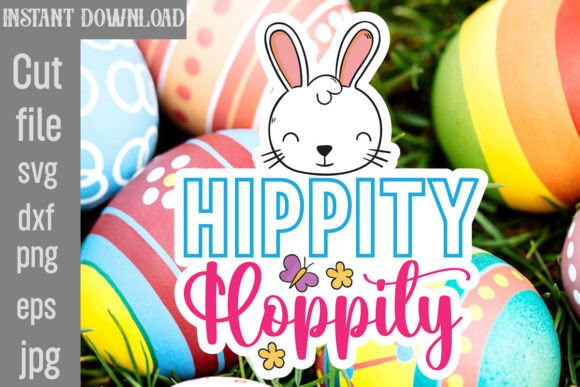
Review: Hippity Hoppity SVG Cut File for Embroidery
As a designer who spends more time staring at stitch simulations than I care to admit, I have learned that not every cute graphic translates well into thread. We often browse marketplaces looking for the next big seller, scrolling past thousands of options until something catches our eye. Recently, I stopped on the Hippity Hoppity SVG Cut File. At first glance, it looked like standard seasonal fare, but I wanted to dig deeper. Does this design hold up when moved from a digital screen to actual fabric? Is it suitable for high-volume commercial embroidery, or is it better suited for a quick, one-off personalized gift? I decided to put it through its paces to see if it deserves a spot in my active library.
First Impressions and Visual Personality
The initial download is straightforward. You receive a .zip file containing an SVG for Cricut, a DXF for Silhouette, an EPS vector file, and a 300 DPI PNG with a transparent background. It is important to note right away that this is a DIGITAL DOWNLOAD ONLY. For those of us working primarily with embroidery machines, the lack of native PES, DST, or JEF files means we are likely using this as a reference for digitizing our own stitches or using it for hybrid projects involving heat transfer vinyl (HTV) alongside embroidery.
Visually, the Hippity Hoppity SVG Cut File exudes a playful, springtime energy. The lines are clean, and the shapes are balanced, which is crucial when you are trying to maintain clarity in a finished product. The theme suggests movement and joy, making it an immediate candidate for Easter collections, baby showers, or spring boutique launches. However, as an experienced reviewer, I look beyond the cuteness. I look at the negative space. Are there areas where thread might bunch up? Are the curves smooth enough to avoid jagged edges when stitched out? The vector quality here is solid, providing a reliable foundation for any digitizer or crafter.
Real-World Application: The Tote Bag Test
To test its viability, I imagined a common scenario for many Etsy sellers and small shop owners: creating a line of reusable tote bags for the spring market. I selected a heavy canvas fabric, paired it with a medium-weight cutaway stabilizer, and planned the placement. The design’s proportions fit nicely within a standard 5x7 hoop, leaving ample room for monogramming or additional text if desired.
When visualizing the stitch-out, I considered how the design would interact with the fabric texture. Canvas has a weave that can sometimes swallow fine details. Fortunately, the bold nature of this graphic means it doesn’t rely on microscopic precision. It stands out. If I were stitching this directly, I would opt for a satin stitch border to define the edges sharply against the textured background. For the fill areas, a moderate density fill stitch would provide coverage without making the bag feel stiff or board-like. This balance is key for functional items like totes that need to remain flexible.
Versatility Across Product Lines
Beyond tote bags, this design shows promise in several other categories. For sweatshirt embroidery, the playful vibe pairs well with pastel hoodies or crewnecks. Here, the challenge shifts to managing pile. Fleece and terry cloth can obscure details, so ensuring high contrast between your thread colors and the garment is essential. A bright white or vibrant yellow thread on a navy sweatshirt would make the design pop, whereas low-contrast combinations might get lost in the fuzz.
For baby embroidery, such as onesies or burp cloths, the softness of the design is a major asset. Parents love whimsical, gentle imagery. However, comfort is paramount. If digitizing this for infant wear, I would recommend using a soft backer stabilizer and avoiding dense stitch counts in areas that touch sensitive skin. The open spaces in the design allow for breathability, which is a practical plus for custom apparel meant for little ones.
I also considered its use for embroidered patches. Patches require tight, dense stitching to prevent fraying and ensure durability. The clear outlines of the Hippity Hoppity SVG Cut File make it an excellent candidate for patch creation. You can easily add a running stitch perimeter to secure the edges, creating a professional-looking accessory that customers can iron or sew onto jackets and bags.
Technical Considerations and Potential Pitfalls
While the design is strong, it is not without its challenges. If you are planning to use this on stretchy fabric like jersey knits, you must be vigilant about stabilization. Without proper hooping and stabilizer support, the design could pucker, distorting the cute shapes into something unrecognizable. Always test on scrap fabric first. This golden rule saves time, money, and reputation.
Another consideration is the scale. If you attempt to shrink this design down for a small pocket logo or a tiny accent on a cap, you risk losing definition. Tiny details may merge together, turning distinct shapes into a blob of thread. I recommend keeping the design at a medium to large size to preserve its integrity. For curved surfaces like caps, ensure your digitizing accounts for the push and pull of the fabric to prevent distortion.
Since the provided files are primarily for cutting machines (SVG, DXF) and vector graphics (EPS, PNG), embroidery machine users must exercise caution. Do not assume these files are ready-to-stitch embroidery formats. You will need to digitize the design yourself or hire a digitizer. This step allows for customization of stitch types—choosing between satin, fill, or running stitches—to suit your specific machine and fabric combination. It also ensures you have control over stitch density, preventing needle breaks or thread tension issues.
Commercial Value and Brand Consistency
For craft business owners, consistency is key to building brand trust. The Hippity Hoppity SVG Cut File offers a cohesive look that can be integrated into a broader spring collection. Whether used for holiday embroidery projects, nursery decor, or printable mockup previews for your online store, the design maintains a professional aesthetic. High-quality design assets like this elevate the perceived value of your handmade product.
Customers are drawn to clarity and charm. When they see a well-executed design on a kitchen towel or a pillow cover, they associate that quality with your brand. This design supports that association by offering clean lines and a universally appealing theme. It is versatile enough to appeal to a wide demographic, from young parents to grandparents looking for thoughtful gifts.
Final Verdict for Designers and Makers
In conclusion, the Hippity Hoppity SVG Cut File is a valuable addition to your library, particularly if you enjoy hybrid crafting or have digitizing skills. It is not a plug-and-play embroidery file, but rather a robust graphic resource that empowers creators to customize their approach. Its strength lies in its adaptability across various Crafts and Graphics applications, from apparel to home decor.
Before committing to a large production run, always check the licensing terms provided with your download to confirm whether you can sell finished items or if restrictions apply. Test different thread combinations, experiment with stabilizers, and find the sweet spot for your specific machine. With careful execution, this design can become a staple in your spring lineup, delighting customers and enhancing your portfolio. It is a reminder that good design is not just about what you see on the screen, but how it lives and breathes in the real world of thread and fabric.