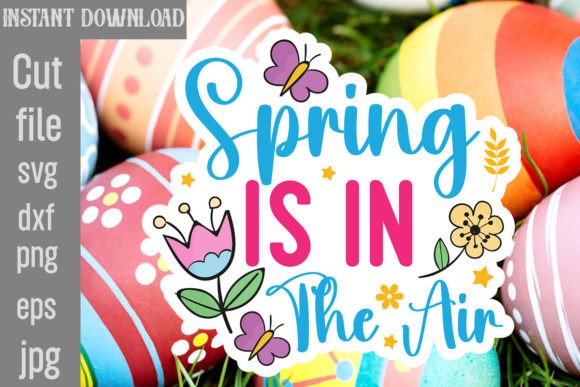
Review: Spring is in the Air SVG Cut File
As a designer who spends half my life digitizing patterns and the other half testing them on actual fabric, I have learned to be skeptical of generic digital assets. We all know the drill: you download a file that looks crisp on a screen, only to find it turns into a tangled mess of thread once it hits the hoop. That is why I took a close, practical look at Spring is in the Air SVG Cut File. This isn’t just about whether the lines are pretty; it is about whether this design holds up when you are trying to run a profitable craft business or create a meaningful personalized gift.
The first thing that strikes me about this asset is its versatility. While it is marketed broadly under Crafts and Graphics, its true value lies in how it translates across different mediums. The package includes an SVG for Cricut, a DXF for Silhouette, an EPS vector, and a high-resolution PNG. For an embroidery specialist, the EPS and SVG files are the gold mines here. They allow us to import clean vectors into our digitizing software, giving us full control over stitch types, rather than relying on a pre-made, potentially poorly optimized embroidery file.
First Impressions: Mood and Visual Personality
The theme "Spring is in the Air" suggests lightness, renewal, and organic movement. When I opened the vector file, I was looking for flow. Does the design feel stiff, or does it mimic the natural irregularity of hand-drawn art? The layout here feels balanced. It avoids the clutter that often plagues seasonal designs, opting instead for a cleaner aesthetic that works well for modern custom apparel. The visual personality is cheerful but not childish, which is a rare balance to strike. This makes it suitable for a wide demographic, from nursery decor to boutique branding for adult clothing lines.
For an Etsy seller, this mood is crucial. Customers are drawn to items that feel curated and thoughtful. A design that screams "generic clipart" rarely commands a premium price. This design, however, has enough character to serve as the centerpiece of a handmade product without overwhelming the fabric it sits on.
Real-World Application: From Screen to Stitch
To test the viability of this design, I imagined a specific project: a custom embroidered tote bag. Tote bags are a staple for small shop owners because they are high-visibility items. Using the Spring is in the Air SVG Cut File, I traced the vector paths to create a machine embroidery design. Here is where the rubber meets the road.
If you are using this for a sweatshirt embroidery project, the open spaces in the design are a blessing. Dense stitch areas can make heavy fabrics like fleece bunch up or feel stiff against the skin. Because this graphic relies on clear shapes and likely incorporates negative space, it allows for a mix of fill stitch and running stitch techniques that keep the garment soft. For a baby embroidery item, such as a onesie or blanket, this lightness is non-negotiable. Parents want softness, not a cardboard-like patch of thread.
I also considered its use as an embroidered patch. Patches require tight satin stitches around the edges to prevent fraying. The vector nature of the EPS file means I can easily adjust the boundary lines to ensure a clean finish. Whether you are making patches for caps or iron-on appliqués for jackets, the scalability of the source file is a major advantage. You can shrink it for a pocket detail on a shirt or enlarge it for a pillow cover without losing resolution, provided you re-digitize the stitch density appropriately.
Navigating Technical Challenges
While the design is strong, no digital asset is foolproof. There are specific scenarios where you need to exercise caution. If you are working with stretchy fabric like jersey knits for t-shirts, the stability of the design becomes critical. Large fill areas can cause puckering if not backed correctly. I always recommend using a cut-away stabilizer for knit fabrics to ensure the finished product remains flat after washing.
Another consideration is hoop size. If you are attempting to stitch this on a curved surface, like a cap, you must break the design down. You cannot simply hoop a whole hat and expect a large graphic to sit flat. For caps, I would isolate smaller elements of the Spring is in the Air SVG Cut File to fit within a standard 4x4 or 5x7 hoop. Additionally, watch out for tiny details. If the original vector has very thin lines, they may not translate well into satin stitch without becoming too dense or breaking during wear. Always zoom in to 400% in your digitizing software to check for nodes that are too close together.
Dark fabric presents another challenge. If you are stitching on navy or black, you need to ensure your thread colors have enough contrast. A pastel spring design might get lost on dark cotton. In these cases, consider adding a white underlay or using the design as an applique design where a piece of contrasting fabric is stitched down, and the graphic is stitched on top. This reduces stitch count and adds texture.
Commercial Viability and Brand Consistency
For those running a small shop product line, consistency is key. This design fits well into a broader spring collection. It pairs nicely with floral motifs, pastel palettes, and minimalist typography. When creating printable mockup images for your online store, the transparent PNG included in the download is invaluable. It allows you to place the design on various product photos quickly to gauge visual appeal before you even thread the machine.
However, a word on licensing: The product description states this is a DIGITAL DOWNLOAD ONLY. It does not explicitly state the commercial license terms for the digital embroidery file itself versus the finished physical items. As a professional, I must advise you to check the specific license agreement provided by the creator. Generally, selling finished physical items like holiday embroidery gifts or tote bag design products is permitted, but reselling the digital file or using it to create other digital assets is usually prohibited. Clarifying this protects your craft business from legal issues down the line.
Practical Designer Notes for Best Results
Before you commit to a large production run, follow these steps to ensure quality:
- Test on Scrap Fabric: Always stitch out a test sample on the same type of fabric you intend to use for the final product. This reveals issues with tension and density.
- Check Thread Contrast: View your design in black and white. If the details disappear, you need to adjust your color choices or simplify the stitch pattern.
- Review Stitch Density: If you are digitizing this from the SVG, keep your density moderate. High density looks luxurious but increases production time and thread cost.
- Inspect Small Details: Ensure that any small elements are large enough to be stitched cleanly. Tiny islands of thread can pull out easily.
- Confirm Hoop Size: Match the design dimensions to your machine’s maximum hoop capacity to avoid re-hooping errors.
In conclusion, Spring is in the Air SVG Cut File is a solid addition to your library of design assets. It offers the flexibility needed for both novice hobbyists and experienced commercial embroidery professionals. By understanding its strengths in layout and mood, and respecting its technical limitations regarding fabric and density, you can create stunning, high-value items that resonate with customers. Whether for a wedding gift, a kitchen towel, or a boutique apparel line, this design has the potential to elevate your work from simple crafts to professional-grade merchandise.