Review: Trick or Treat I Am Autistic SVG for Embroidery
As a designer who spends more time staring at stitch simulations than actual fabric, I have learned to be skeptical of digital files that promise versatility without proving their structural integrity. When I first loaded the Trick or Treat I Am Autistic SVG into my workflow, my primary concern was not just the aesthetic appeal, but how this specific graphic would translate from a flat vector image into a textured, three-dimensional machine embroidery design. For those of us running a craft business or selling on Etsy, the difference between a file that looks good on a screen and one that stitches out cleanly on a sweatshirt is the difference between a refund request and a repeat customer.
First Impressions and Visual Personality
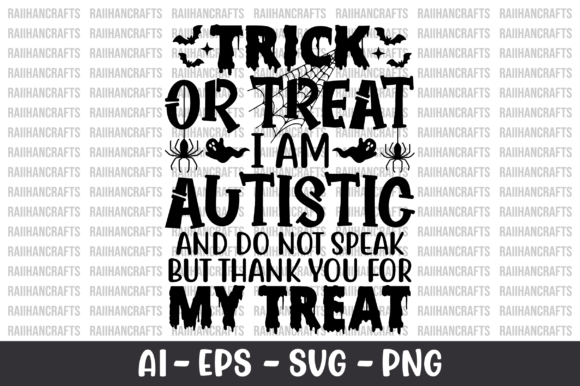
The immediate mood of this design is gentle yet assertive. It balances the playful energy of Halloween with a serious, necessary message about neurodiversity and communication boundaries. Visually, the layout feels approachable. For an embroidery project, this is crucial. Complex, jagged lines can cause thread breaks or puckering, but this design appears to favor clean shapes that should hold up well under the needle. The theme creates a natural bridge between holiday fun and advocacy, making it a standout piece for holiday embroidery collections that aim to be inclusive.
From a Graphics perspective, the scalability is key. Since the product description notes these are compressed files, likely containing various formats suitable for different machines, the clarity of the edges in the SVG format is a major advantage. SVGs allow us to resize without losing quality, which is essential when adapting a design for a tiny embroidered patch versus a large back-of-shirt placement.
Real-World Application: The Custom Tote Scenario
To truly test the viability of the Trick or Treat I Am Autistic SVG, I mentally walked through a recent client request: a custom tote bag design for a local special needs support group’s October fundraiser. The goal was to create a handmade product that was both durable and meaningful. Using this design on a heavy canvas tote allows for higher stitch density without worrying about fabric distortion, which is a common issue with lighter materials.
In this scenario, the design serves as a conversation starter. It is not just decoration; it is a statement. When stitched onto a neutral-colored canvas, the contrast of the thread colors becomes the focal point. I imagined using a bright orange for the Halloween elements and a calming blue or teal for the text, ensuring readability. This kind of personalized gift or group merchandise relies heavily on legibility. If the letters are too thin or the spacing too tight, the message gets lost in the texture of the fabric. This design’s structure suggests it can handle standard fill stitches effectively, provided the hoop size is appropriate for the text length.
Fabric Considerations and Stitching Strategy
One cannot simply drop any digital embroidery file onto any fabric and expect perfection. With the Trick or Treat I Am Autistic SVG, fabric choice dictates success. For sweatshirt embroidery, which is a popular category for this type of message-driven apparel, the looped texture of fleece or French terry can swallow small details. I recommend using a cutaway stabilizer to provide long-term support, especially since these items will be washed frequently. A tear-away might leave the design unstable after the first few cycles.
When working with stretchy fabrics like jersey for t-shirts, the risk of puckering increases. Here, the design’s complexity matters. If the SVG contains large solid areas, converting them to a satin stitch border with a light fill, or even using an applique design technique where fabric fills the shape and the machine only stitches the outline, could reduce bulk. This is a critical consideration for custom apparel intended for children or individuals with sensory sensitivities, where bulky stitching on the inside of the garment can be uncomfortable.
For baby embroidery projects, such as onesies or bibs, caution is paramount. The skin of an infant is delicate, and the back of the embroidery must be managed carefully. I would advise trimming excess stabilizer close to the stitch line and possibly using a soft backing. Additionally, ensure that any small decorative elements in the design do not pose a choking hazard if they were to unravel, though proper tension and quality thread should prevent this.
Navigating Challenges: Small Hoops and Dark Fabrics
While this design is versatile, it has its limits. Attempting to stitch this on a curved surface like a cap requires careful hooping and potentially resizing the design to fit the available front panel area. Caps are unforgiving; if the hoop size is too small for the text, the letters may become illegible. I always recommend doing a test run on scrap fabric of the same weight and weave before committing to the final garment.
Dark fabrics present another challenge. If you are stitching on black or navy, you must ensure your thread colors have enough contrast. A dark purple on black will vanish. Furthermore, dense stitching on dark fabric can sometimes show the underlying material if the stitch coverage is not tight enough. Adjusting your digitizing software to increase density slightly, or using an underlay stitch strategy that builds a foundation, can help the top threads sit evenly. This attention to detail elevates a simple small shop product into something that looks professionally manufactured.
Commercial Value and Brand Consistency
For Etsy sellers and boutique owners, the Trick or Treat I Am Autistic SVG offers more than just a seasonal item. It aligns with a growing demand for inclusive, awareness-raising merchandise. Using this design in your portfolio signals that your brand values accessibility and representation. This builds customer trust and engagement. When buyers see a well-executed, thoughtful design, they are more likely to perceive the finished product as high-value.
However, commercial use comes with responsibility. Before listing items made with this design assets package, you must verify the licensing terms. The description mentions it is perfect for various purposes, but does it explicitly grant commercial rights for physical goods? Always check the included license file. Assuming permission without verification can lead to intellectual property issues. Once cleared, this design can be a staple in your autumn catalog, appealing to parents, educators, and advocates alike.
Practical Designer Notes for Best Results
- Test on Scrap Fabric: Never skip this step. Check for puckering, thread breaks, and color blending on the actual material you plan to use.
- Check Thread Contrast: Use a color wheel to ensure your thread choices stand out against the fabric background, especially for the text portions.
- Review Stitch Density: If the design feels too stiff after stitching, reduce the density in your digitizing software. If it looks sparse, increase it.
- Confirm Hoop Size: Ensure the design fits comfortably within your hoop with adequate margin for clamping.
- Inspect Small Details: Zoom in on the SVG before converting. Tiny gaps or overlapping nodes can cause machine errors.
- Use Proper Stabilizer: Match the stabilizer to the fabric. Cutaway for knits, tear-away for wovens, and wash-away for delicate or sheer fabrics.
- Verify Licensing: Confirm whether the license allows for unlimited sales of finished physical items or if there are caps on production volume.
In conclusion, the Trick or Treat I Am Autistic SVG is a compelling addition to the Crafts category for designers who value meaning alongside aesthetics. It requires thoughtful execution regarding fabric choice and stabilization, but when handled with professional care, it results in a powerful, high-quality embroidery file application. Whether for a printable mockup to test visual appeal or a final commercial embroidery run, this design holds up to scrutiny. It reminds us that our craft is not just about thread and needle, but about communicating identity and support in a tangible, lasting way.