Reviewing Christmas Sticker, Happy Christmas for Real Embroidery Projects
As a designer who has spent years digitizing patterns and testing them on everything from flimsy silk to heavy denim, I approach every new machine embroidery design with a mix of curiosity and skepticism. We have all been there: you download a file that looks pristine on the screen, only to find it puckers the fabric or loses its charm once the needle hits the thread. Today, I am taking a close look at Christmas Sticker, Happy Christmas, a graphic asset that promises versatility across various mediums. But does it hold up when translated into thread? Let’s dig into the practical realities of using this design in a professional craft business setting.
First Impressions: Mood and Visual Personality
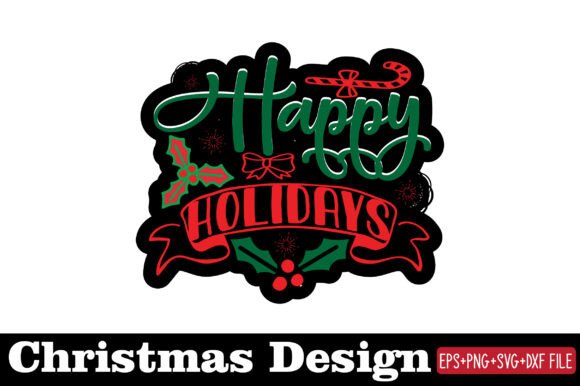
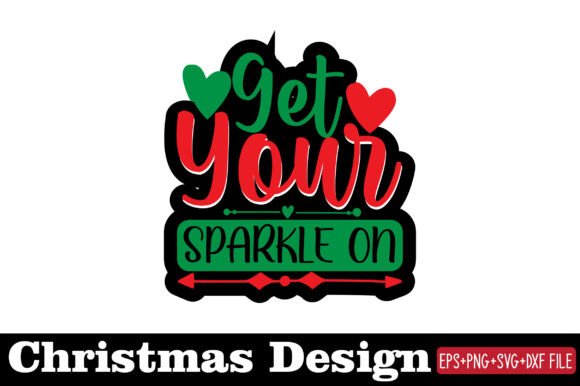
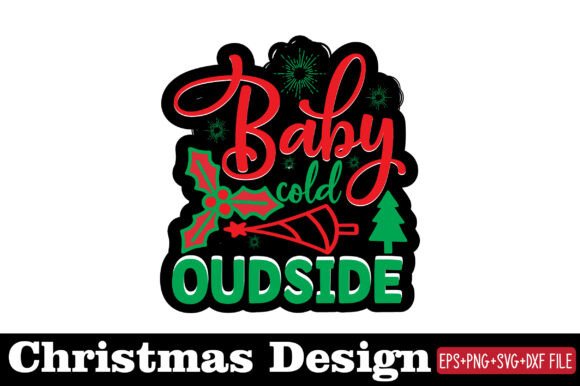
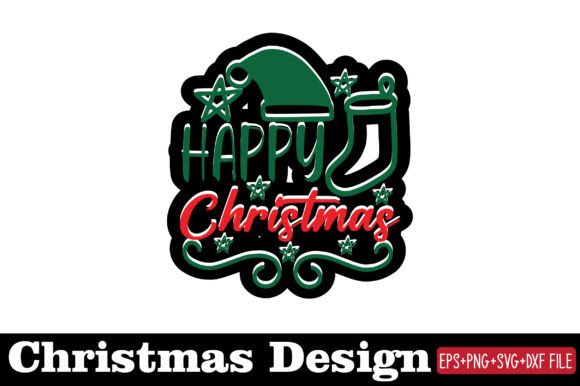
The first thing that strikes me about Christmas Sticker, Happy Christmas is its inherent playfulness. It carries the visual language of a classic holiday sticker—bold, cheerful, and immediately recognizable. In the realm of Graphics and Crafts, this aesthetic is powerful because it taps into nostalgia. The layout feels balanced, suggesting a design that was created with clarity in mind. For an embroidery project, this is crucial. Complex, overly intricate details often get lost in translation when stitched out, but a design with strong visual personality tends to survive the transition from digital file to physical textile.
The mood is undeniably festive without being cluttered. This simplicity is a double-edged sword, however. While it ensures readability, it demands precision in execution. When I visualize this as an embroidered patch or a direct stitch on a garment, I see potential for high impact. It feels like a design that belongs on items meant to be seen and enjoyed, rather than hidden away. It naturally leans toward casual, joyful applications, making it a strong candidate for holiday embroidery projects that aim to spread cheer rather than formal elegance.
Real-World Application: From Screen to Stitch
To truly evaluate Christmas Sticker, Happy Christmas, I imagine placing it in a real-life scenario. Let’s say I am preparing a batch of custom tote bags for a local holiday market. Tote bags are typically made from canvas or heavy cotton, which provides a stable base for stitching. Here, the design’s bold lines would likely translate well using a combination of satin stitch for borders and fill stitch for larger areas. The contrast between the thread and the natural fabric color would make the "Happy Christmas" message pop, creating an attractive handmade product that customers can instantly connect with.
Another viable application is sweatshirt embroidery. On a fleece or cotton-blend hoodie, the texture of the fabric can sometimes swallow small details. However, because this design appears to rely on strong shapes and clear typography, it should remain legible even on textured surfaces. I can easily picture this on the chest of a crewneck or as a larger back piece. For custom apparel businesses, this versatility is key. It allows the maker to offer a consistent design across different product types, from baby embroidery on onesies (scaled down appropriately) to adult-sized jackets.
If you are an Etsy seller or run a small shop, consider the appeal of this design on home goods. A kitchen towel or a pillow cover featuring this motif could become a staple personalized gift. The "sticker" aesthetic gives it a modern, slightly retro vibe that appeals to younger demographics looking for unique small shop products. It moves beyond traditional, stuffy holiday decor into something that feels fresh and current.
Technical Considerations and Potential Pitfalls
While the design is promising, practical experience dictates that we must look for potential issues. One major concern with any graphic-style design is stitch density. If the original digital embroidery file is too dense, it can cause puckering, especially on lighter fabrics. Before committing to a large production run, I always advise testing the design on scrap fabric identical to your final material. This is non-negotiable for maintaining professionalism.
Curved surfaces present another challenge. If you plan to use Christmas Sticker, Happy Christmas on a cap or hat, you must consider the hoop size and the curvature of the crown. Detailed corners and tight curves can distort if the stabilizer is not adequate. For caps, a cut-away stabilizer is usually recommended to provide long-term support, whereas a tear-away might suffice for a sturdy tote bag. Always check whether the design fits within your standard hoop size without requiring excessive re-hooping, which can lead to alignment errors.
Color choice is equally critical. The description mentions that the designs come filled with many different themes, implying a variety of colorways. However, in embroidery, we are limited by thread availability and contrast. I recommend testing the design in black and white mockups first. If the design loses its definition without color, it may rely too heavily on hue rather than shape. Ensure your thread colors have enough contrast against the fabric texture and background color. Dark fabrics require lighter threads, and vice versa, to maintain visibility.
Enhancing Product Value and Brand Consistency
Using a well-chosen design like Christmas Sticker, Happy Christmas can significantly boost the perceived value of your finished product. Customers associate clean, crisp stitching with quality. When the design is executed well, it enhances brand consistency. If your shop specializes in cheerful, modern holiday items, this design fits seamlessly into your catalog. It helps build recognition, as buyers begin to associate that specific visual style with your brand.
For those creating printable mockups or digital previews, this design offers excellent visual appeal. It looks good in photos, which is essential for online sales. High-quality images of the embroidered item can drive buyer engagement and trust. Remember, the goal is not just to sell a product, but to sell the feeling of the season. A well-executed embroidery project conveys care and attention to detail, which justifies a higher price point and encourages repeat business.
Practical Designer Notes for Best Results
Before you load this design into your machine, take a moment to review these practical steps:
- Test on Scrap Fabric: Always stitch a sample on the actual material you intend to use. Check for puckering, thread breaks, or registration issues.
- Check Stabilizer: Match the stabilizer to the fabric weight. Heavy fabrics may need less support, while stretchy or thin fabrics require robust stabilization.
- Verify Licensing: The product description notes it can be printed on various items, but for embroidery, confirm the license terms. Ensure you have the right to use it for commercial embroidery if you plan to sell finished items.
- Inspect Small Details: Zoom in on the digital file. Are there tiny elements that might not stitch out cleanly? Consider simplifying or removing elements that are smaller than your needle can comfortably handle.
- Contrast Check: Ensure the thread colors stand out against the fabric. Poor contrast can make even the best design look muddy and unprofessional.
In conclusion, Christmas Sticker, Happy Christmas shows great promise for a variety of craft business applications. Its strength lies in its clear, joyful aesthetic, which translates well to textiles when handled with technical care. By paying attention to stitch density, fabric choice, and proper stabilization, you can transform this graphic into a standout embroidery project that delights customers and elevates your holiday collection. Whether you are creating a tote bag design for a friend or stocking your online store with design assets, this pattern offers a solid foundation for creative expression. Just remember: the magic is in the execution.