Reviewing the Christmas Sticker, Happy Holidays Design for Embroidery
As a designer who has spent countless hours digitizing and stitching out holiday motifs, I approach every new machine embroidery design with a mix of excitement and skepticism. We have all been there: you download a file that looks stunning on the screen, only to find it turns into a puckered mess or an illegible blob once the needle hits the fabric. Today, I am taking a close look at Christmas Sticker, Happy Holidays, evaluating its potential not just as a digital asset, but as a viable component for real-world embroidery projects.
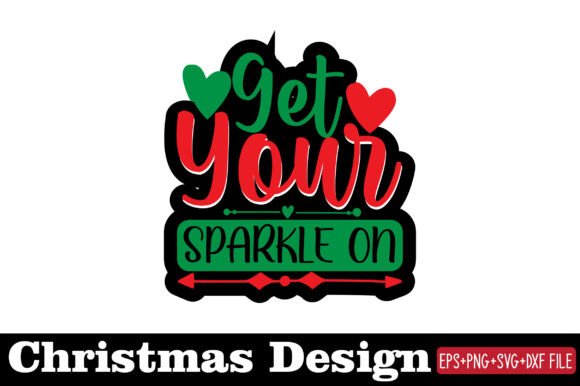
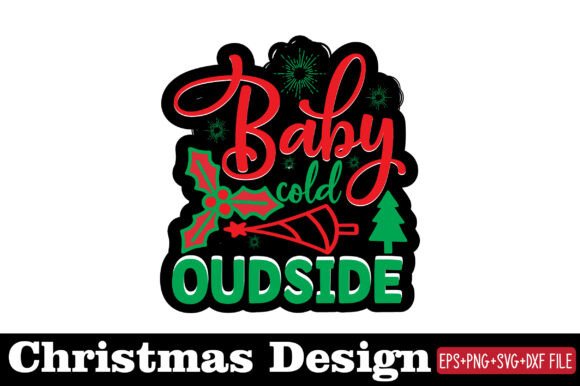
The first thing that strikes me about this piece is its versatility. While the product description categorizes it under Crafts and Graphics, noting that it can be printed on mugs, posters, and canvas, my immediate instinct is to translate those graphic qualities into thread. The "sticker" aesthetic implies bold outlines and vibrant, flat colors, which often translates beautifully into satin and fill stitches if handled correctly. It creates a mood that is playful yet polished, avoiding the overly rustic or traditional clichés we often see in December.
First Impressions and Visual Personality
When I loaded the preview of Christmas Sticker, Happy Holidays, I was looking for clarity. Holiday designs often suffer from "detail creep," where tiny elements get lost in the stitching process. This design, however, appears to maintain a strong visual hierarchy. The layout suggests a central focal point, likely surrounded by thematic elements that define the season without overwhelming the viewer. For an Etsy seller or a small shop product creator, this balance is crucial. You need a design that reads well from across the room, not just up close.
The visual personality feels modern and approachable. It does not scream for attention with excessive complexity; instead, it invites the viewer in with a sense of warm familiarity. This makes it an excellent candidate for a wide range of applications, from high-end boutique branding to cozy home goods. As a digital embroidery file, its value lies in this adaptability. It is not just a picture; it is a tool for creating emotional connections through handmade items.
Real-World Application: The Custom Tote Bag Test
To truly understand how this design performs, let us imagine a specific scenario. I am preparing a run of custom canvas tote bags for a local holiday market. Canvas is a sturdy fabric, but it has a distinct texture that can interfere with fine details. I envision placing Christmas Sticker, Happy Holidays centrally on the bag. Because the design mimics a sticker, it likely relies on clean edges. In embroidery, this means paying close attention to the satin stitch borders. If the digitizing is sharp, the contrast between the thread and the canvas will make the design pop, giving the handmade product a professional, retail-ready appearance.
Beyond tote bags, consider sweatshirt embroidery. A crewneck sweatshirt provides a soft, slightly textured background. Here, the design’s color palette becomes critical. If the thread colors are too similar to the garment, the message gets lost. However, if you choose high-contrast threads—perhaps bright reds and greens against a heather grey—the festive spirit shines through. This kind of custom apparel is a staple for craft business owners during the fourth quarter. The design’s ability to sit comfortably on curved surfaces, like the chest area of a hoodie, depends largely on its overall width and density.
Navigating Fabric and Hoop Constraints
While the design is versatile, it is not without its limitations. Experienced embroiderers know that what works on a denim jacket may fail on a silk blouse. When using Christmas Sticker, Happy Holidays on thinner or stretchy fabrics, such as those used for baby embroidery items, caution is required. The stitch density must be appropriate for the material. If the design is too dense, it will cause puckering, ruining the smooth "sticker" look. Always use a high-quality cut-away or tear-away stabilizer to support the stitches, especially if you are working with knits.
Hoop size is another practical consideration. Before committing to a large project, check the dimensions of the design. If you are aiming for a subtle accent on a tea towel or a pocket patch, ensure the design scales down without losing legibility. Tiny lettering or intricate corners can become tangled nests of thread if reduced too far. Conversely, if you are scaling up for a pillow cover or a wall hanging, verify that the fill areas do not become too sparse, which can expose the backing fabric and look unfinished.
Considerations for Dark and Textured Fabrics
- Contrast is Key: On dark fabrics, ensure your thread choices are bright enough to stand out. A dark-on-dark combination will obscure the design’s details.
- Texture Interference: Highly textured fabrics like terry cloth or bouclé can swallow small details. For these materials, consider simplifying the color count or increasing the stitch width slightly if your software allows.
- Underlay Stitching: Proper underlay is essential for keeping the design stable on slippery or uneven surfaces. Check if the embroidery file includes adequate underlay for the intended fabric type.
Enhancing Brand Value and Customer Trust
For commercial embroidery professionals, the choice of design directly impacts perceived value. A clean, well-executed motif like Christmas Sticker, Happy Holidays signals quality. It suggests that the maker cares about aesthetics and precision. This builds customer trust, which is vital for repeat business. Whether you are selling personalized gifts or bulk orders for corporate clients, the professionalism of the finished stitch-out reflects on your brand.
Moreover, this design fits seamlessly into the trend of "giftable" decor. Items like embroidered patches or holiday-themed aprons become more than just utilities; they become keepsakes. The emotional resonance of a well-chosen holiday design can drive buyer engagement, making your listings stand out in a crowded marketplace. When customers see a crisp, vibrant design, they are more likely to envision it in their own homes or on their loved ones, increasing the likelihood of a sale.
Practical Designer Notes for Best Results
Before you run this design on your final product, take these steps to ensure success:
- Test on Scrap Fabric: Always stitch out a test sample on the same type of fabric you plan to use for the final item. This reveals any tension issues or density problems.
- Check Thread Contrast: Lay your physical thread spools next to the fabric. Digital screens can be misleading. Ensure the colors harmonize and provide sufficient contrast.
- Inspect Small Details: Zoom in on the digitized file. Look for potential jump stitches or tight turns that might cause thread breaks.
- Verify Licensing: Since this is a design asset intended for various uses, confirm the license terms. Can you sell the finished physical items? Can you use it in digital mockups? Always respect the creator’s rights.
- Mockup in Black and White: Convert your preview to grayscale. This helps you see the value structure and ensures the design holds up even without color differentiation.
In conclusion, Christmas Sticker, Happy Holidays offers a promising foundation for a variety of festive projects. Its strength lies in its balanced composition and modern appeal. By respecting the technical requirements of embroidery—such as stabilizer choice, fabric compatibility, and thread selection—you can transform this digital graphic into a tangible, cherished object. Whether you are a hobbyist making gifts for family or an entrepreneur stocking your online store, this design deserves a spot in your holiday toolkit. Just remember: the magic is not just in the file, but in the care you take when bringing it to life.