Reviewing Just Waiting Halloween SVG Design
As an embroidery designer who spends more time staring at stitch simulations than I do sleeping, I have learned to be skeptical of digital assets that promise the world. When I first pulled up the Just Waiting Halloween SVG Design, my initial reaction was one of cautious curiosity. In the world of Crafts and digital Graphics, Halloween themes are often cluttered with excessive detail that simply does not translate well to thread. However, this particular design caught my eye because it seemed to understand the balance between visual impact and stitchability.
I am evaluating this file not just as a pretty picture, but as a functional component for real-world production. Whether you are an Etsy seller looking to refresh your October inventory or a hobbyist making a personalized gift for a niece, the question is always the same: will this look professional once it is stitched out?
First Impressions and Visual Personality
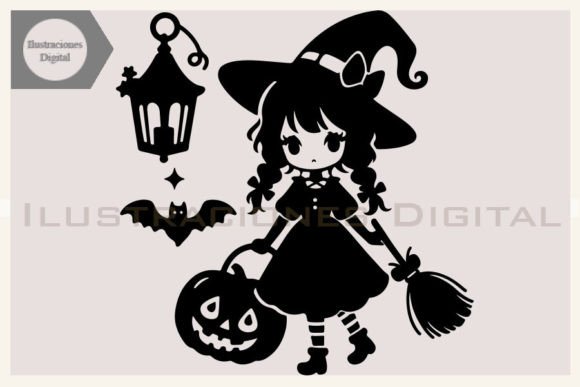
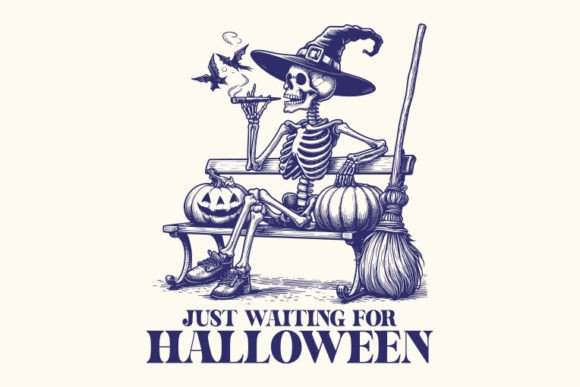
The mood of the Just Waiting Halloween SVG Design is playful yet polished. It avoids the gritty, horror-centric aesthetic that limits market appeal, opting instead for a whimsical vibe that works across age groups. From a layout perspective, the shapes are clean. This is crucial for embroidery. Complex gradients and tiny, isolated pixels in a standard image file can become a nightmare when converted into a machine embroidery design. While this product is provided as high-resolution PNG and SVG files—specifically noted as 300 dpi with transparent backgrounds at 4500px and 5400px—it serves as an excellent base for digitizing or for use in hybrid projects.
The visual personality suggests versatility. It does not scream "cheap novelty." Instead, it feels like a deliberate design choice suitable for boutique branding. For those of us who create design assets for small shops, finding graphics that maintain their integrity when scaled down is rare. This design appears to have the structural solidity required for that transition.
Real-World Application: The Tote Bag Test
To truly test the viability of this graphic, I imagined a specific scenario: a custom embroidered tote bag for a local farmer’s market October event. Tote bags are typically made from canvas or heavy cotton, which provides a stable surface for stitching. If I were to digitize this Just Waiting Halloween SVG Design for such a project, the bold lines would allow for effective use of satin stitch borders and fill stitch interiors.
Imagine this on a natural-colored canvas bag. The contrast would be striking. Because the background is transparent in the provided PNG, isolating the motif for digitization is straightforward. For an embroidery project like this, the design’s clarity ensures that the message remains readable from a distance. It is not just about the machine running; it is about the customer seeing the product and understanding the value immediately. A muddy, unclear design lowers perceived value. A crisp, well-defined graphic like this elevates the handmade product into something that feels premium.
Apparel and Custom Gear Considerations
Beyond bags, consider custom apparel. A black sweatshirt with this design stitched in vibrant orange and white thread would be a bestseller. However, here is where practical judgment comes in. Sweatshirts are thick and often fuzzy. If the design relies on extremely fine details, they may get lost in the fabric texture. Since the Just Waiting Halloween SVG Design features relatively strong shapes, it should hold up well against the pile of fleece or French terry cloth.
For baby embroidery items, such as a onesie or a soft blanket, caution is required. You must ensure that the stitch density is adjusted appropriately. High-density stitching can make a garment stiff and uncomfortable against sensitive skin. If you are converting this SVG into an embroidery file, reduce the density and consider using lighter weight threads. The goal is a soft hand feel, not a plastic-like patch on the chest.
Navigating Fabric and Hoop Constraints
Not every surface is created equal. While this design is robust, there are scenarios where you must proceed with care. If you are attempting to place this on a curved surface, like a cap, you need to account for distortion. Caps require specialized digitizing techniques, often involving split fills or column stitches, to prevent puckering. Do not simply slap a standard flat embroidery pattern onto a hat and expect perfection.
Similarly, consider the hoop size. If you are working with a small 4x4 hoop, you may need to scale the design down. When scaling down vector graphics like SVGs, the proportions remain consistent, but the physical space for stitches shrinks. Tiny details might merge together. Always run a test stitch on scrap fabric of the same type you intend to use. This is non-negotiable for professional results. Check how the thread colors interact with the fabric. On dark fabrics, you may need an underlay or a backing layer to ensure the top threads pop without the fabric showing through.
Stabilizer choice is another critical factor. For stretchy fabrics like jersey knits used in t-shirts, a cut-away stabilizer is essential to prevent the design from warping after washing. For woven fabrics like tea towels or aprons, a tear-away might suffice, but only if the stitch count is moderate. Since we do not have an exact stitch count provided in the description, you must estimate based on the complexity of your digitization or test run.
Commercial Viability and Brand Trust
For small business owners and craft business operators, consistency is key. Using high-quality Graphics like the Just Waiting Halloween SVG Design helps build brand trust. Customers can spot low-resolution, pixelated prints from a mile away. By using this high-dpi asset as a basis for clean embroidery or high-quality prints on mugs and phone cases, you signal professionalism.
This design fits well into the category of holiday embroidery that has shelf life beyond a single day. It is not so specific to October 31st that it cannot be worn throughout the autumn season. This extends the selling window for your small shop product listings. Whether you are creating printable mockup images for your online store or producing physical finished product inventory, the clarity of this source file supports high-resolution previews.
Practical Designer Notes
Before you commit to a large production run, keep these technical checks in mind:
- Test on Scrap: Always stitch out a sample on the actual fabric you plan to use. Thread tension and fabric behavior vary wildly.
- Check Licensing: The description mentions usage for T-shirts, mugs, and more, but always confirm the specific commercial license terms before selling items made with this design.
- Contrast Check: View the design in black and white to ensure the shapes are distinct. If it looks muddy in grayscale, it will look messy in thread.
- Digitizing Quality: If you are converting the SVG to an embroidery format yourself, pay attention to jump stitches and trim points. Clean paths mean less trimming time for you.
- Fabric Compatibility: Avoid using dense fill stitches on thin, delicate fabrics without proper stabilization, as this can cause puckering or tearing.
In conclusion, the Just Waiting Halloween SVG Design is a strong contender for your autumn catalog. It offers the flexibility needed for various Crafts applications, from embroidered patches to full-front sweatshirt embroidery. By respecting the technical limitations of your materials and applying sound digitizing principles, you can transform this digital asset into a tangible, high-value item that customers will love. It is a reminder that good design is not just about what you see on the screen, but how it survives the needle.