Reviewing the Eat Sleep Baseball Repeat SVG for Real Embroidery
As a designer who has spent years digitizing patterns and troubleshooting stitch-outs on everything from stiff canvas to slippery satin, I approach every new machine embroidery design with a mix of optimism and skepticism. We have all been there: you download a cute graphic, load it onto your machine, and watch in horror as the thread bunches up or the details vanish into the fabric. That is why when I recently evaluated the Eat Sleep Baseball Repeat SVG, I wasn’t just looking at the preview image. I was looking at how it would hold up in the real world of craft businesses and handmade shops.
This isn’t just another digital asset; it is a potential cornerstone for a seasonal product line. Whether you are an Etsy seller preparing for the spring sports season or a hobbyist making a personalized gift for a little league player, the practical application of this file matters more than its aesthetic appeal alone. Here is my honest assessment of how this design performs when the needle hits the fabric.
First Impressions: Mood and Layout
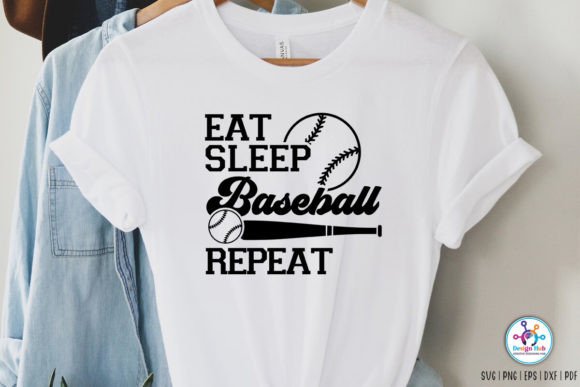
The first thing that strikes me about the Eat Sleep Baseball Repeat SVG is its rhythmic simplicity. The "repeat" motif suggests a lifestyle dedication that resonates deeply with sports families. It is not overly aggressive or cluttered. In the world of Graphics and Crafts, clean lines often translate better to embroidery than complex shading. The layout feels balanced, offering enough negative space to prevent the design from looking like a solid block of thread.
For a designer, this visual personality is promising. It feels modern yet timeless, suitable for both a trendy boutique sweatshirt and a classic nursery decor piece. The mood is playful but disciplined, mirroring the sport itself. When I visualize this stitched out, I see it working best where clarity is key. It does not rely on subtle gradients, which is a relief because embroidery thrives on contrast and defined shapes rather than photographic realism.
Real-World Application: From Tote Bags to Sweatshirts
I decided to mentally walk through a few common projects to see where this design shines. Imagine a custom tote bag design for a mom carrying gear to weekend tournaments. A canvas tote provides a stable, thick surface that handles stitch density well. The Eat Sleep Baseball Repeat SVG would look crisp here, especially if paired with high-contrast thread colors like navy on natural cotton or white on black.
Another strong candidate is sweatshirt embroidery. Fleece and cotton blends are forgiving, but they can swallow small details. Because this design relies on recognizable shapes and text, it maintains its legibility even on textured fabrics. I can easily picture this on the left chest of a zip-up hoodie or centered on the back of a crewneck. It transforms a generic garment into a personalized gift that feels thoughtful and specific.
For those running a craft business, versatility is money. This file’s adaptability means you can use it for holiday embroidery gifts, such as pillow covers for a sports-themed bedroom, or even as part of a larger collage on a denim jacket. It fits seamlessly into the workflow of a small shop product lineup because it appeals to a broad demographic without feeling generic.
Technical Considerations and Stitching Clarity
While the design is visually appealing, we must talk about the mechanics. The provided description notes that you receive high-quality SVG, PNG, EPS, PDF, and DXF files. However, for embroidery, the conversion process is critical. If you are using this as a base for digitizing, pay close attention to the stitch density. Baseball motifs often include circular elements (the ball) and linear elements (the bat or text). These require different stitch types.
I recommend using a fill stitch for larger areas to ensure coverage, but be cautious with satin stitch borders if the design elements are wide. Satin stitches longer than 7mm can snag easily. If the design includes tiny lettering, you might need to simplify it or increase the size to ensure the running stitch outlines do not get lost. Always check the hoop size requirements. If you are working with a 4x4 hoop, you may need to scale the design down, which could compromise the readability of the text. A 5x7 or 6x10 hoop would likely offer the best balance of detail and stability.
When working on curved surfaces like caps, the challenge increases. An embroidered patch might be a smarter route here. You can stitch the Eat Sleep Baseball Repeat SVG onto a stable backing, cut it out, and then applique it onto the cap. This avoids the distortion that happens when stitching directly onto structured hats.
Fabric Choices and Stabilizer Strategy
The success of any embroidery project hinges on the relationship between the thread, the fabric, and the stabilizer. For this design, I would avoid extremely stretchy fabrics like thin jersey unless you use a heavy-duty cut-away stabilizer. The repetitive nature of the design means there is consistent tension across the hoop, which can cause puckering if the fabric is not properly supported.
On dark fabrics, test your thread brightness. A dark navy thread on a black shirt will vanish. You need high contrast to make the design pop. Conversely, on light fabrics, ensure your bobbin thread matches the top thread to prevent visible backing. If you are creating a baby embroidery item, softness is paramount. Use a soft tear-away stabilizer and consider a lighter stitch density to keep the finished product comfortable against sensitive skin.
Commercial Value and Brand Consistency
For Etsy sellers and commercial embroidery professionals, the Eat Sleep Baseball Repeat SVG offers more than just a pretty picture. It offers brand consistency. If your shop focuses on sports-themed apparel, this design fits naturally into your catalog. It helps build recognition among customers who are looking for specific, niche interests.
The finished product quality reflects directly on your brand. A clean, well-stitched design builds customer trust. It shows that you care about the details. When buyers see a crisp, professional-looking item, they are more likely to leave positive reviews and return for future purchases. This design, when executed correctly, enhances the perceived value of the item, allowing you to price your handmade product competitively.
Practical Designer Notes for Best Results
Before you commit to a full production run, follow these steps to ensure quality:
- Test on Scrap Fabric: Always stitch a sample on the same material you plan to use for the final product. This reveals issues with tension and density.
- Check Thread Contrast: View your design in black and white mockups. If the details disappear in grayscale, they will likely struggle in low-contrast thread combinations.
- Verify Licensing: The description mentions usage for shirts, mugs, and more, but always confirm the specific license terms for commercial sales. Ensure you are allowed to sell finished items made with this digital embroidery file.
- Inspect Small Details: Zoom in on the SVG before digitizing or printing. Look for nodes or anchor points that might cause jerky movements in the machine.
- Use Proper Stabilizer: Match your stabilizer to your fabric weight. Do not skimp on this step; it is the foundation of a professional look.
In conclusion, the Eat Sleep Baseball Repeat SVG is a versatile and engaging asset for designers and makers. It bridges the gap between digital convenience and tactile craftsmanship. By respecting the technical limitations of embroidery and choosing the right materials, you can turn this simple graphic into a standout piece in your portfolio. Whether for a custom apparel line or a one-off personalized gift, it holds up well under scrutiny, provided you approach it with a designer’s eye for detail.